 4.1 Your Product or Service and Business
To sell your product or service, you need to know it thoroughly and believe in it. If you think the product is poor, overpriced or useless then consider why you are selling it! Does the world need more rubbish filling up landfill sites? If you genuinely believe a product is worth selling and provides value, then you will find it much easier to sell and make money from - remember your income from commissions is at stake if the product you are selling is poor. Believing in what you are selling means you can share genuine enthusiasm about the product, which your prospect will pick up on. Products you use yourself and would recommend to your friends are the easiest to sell. Without belief in your product, you will find it hard to get excited about it and share your positive feelings. It may be that the product is not suitable for you as you are the wrong demographic, but feeling it provides value to somebody is important. For example, if you are selling a product targeted at older people, such as mobility scooters, you could test it out on some people in the correct demographic to get their opinion - if you can get your gran racing down the street on it, then you can mentally capture her enthusiasm and share that instead! Constrained enthusiasm, not over the top ridiculous enthusiasm, comes from genuine belief - and prospects can tell if it is real or just read from a script. Find ways of getting excited about your product - if you can't, then question if it is the right product for you to be selling.
4.2 Features vs Benefits
There is an important distinction between the features of the product and the benefits it offers. For technical products, such as mobile phones, it is the features which are the important selling points. If you are selling a service, then the selling points revolve around the benefits the service will bring to the prospect. Features are also linked to benefits and you should reinforce how specific features will help your caller. For example, battery life is an important feature in a mobile phone and the benefits are obvious, but they can still be restated.
Other features, specifically newer technology, will need to be explained in more detail, to ensure the prospect can relate to how it will help them specifically -don't assume they understand it. Linking a specific feature to the benefits it provides, makes the benefit more believable - people are naturally suspicious as they are aware you are trying to sell something. Telling them that your product will “save them time' is too vague - making it specific increases the credibility of what you are saying “you can save time by using the new fast charge feature, which allows you to fully charge your phone in just 10 minutes'. You can also confirm that they agree with the benefit to further reinforce it in their own minds e.g. “Do you think the fast charge feature will save YOU time?' Existing customers also need to be helped to understand the benefits of what you are offering.
For example
If you want them to upgrade a product or service or make additional purchases. They need tounder stand the new benefits, for example a mobile phone upgrade and extended contract, compared to their existing solution. For technical products, it is really important that you understand all the features (and their benefits), so you can clearly communicate them to your prospect. You will lose trust if you are notable to effectively talk about the product in a knowledgeable way. It is especially embarrassing if the caller knows more about a specific feature or technology than you do!
Benefits should be clearly tied in with previously expressed needs or problems, to personalize how the product or service will benefit the prospect directly. Minor or irrelevant details to one caller could be vitally significant to another and the priority and reinforcement you apply to benefits must be tailored.
For example
Colour, e.g. of a mobile p hone, could be a crucial selling point for younger prospects, but totally irrelevant to older callers. On the other hand, a specific feature, such as taking two SIM cards, could be critical to somebody who has to travel internationally, but the idea of needing two SIM cards.
4.3 Your Unique Selling Points (USP)
When you are presenting your product or service, you need tohighlight what makes it better than the competition - why should people choose YOURproduct over what is already available in the market?
Specifically, if people can go out and buy a similar product in the shops or order it online, why should they buy something from you?
You need to work out what makes your product and buying it from you, special. What added value is there, or what unique benefits can you offer that would be hard for the customer to get elsewhere?
What can you give in addition to the product, for example excellent customer service, after sales support, free web-chat/technical support, 24 hour helpline? Other options include gift tokens, discounts, free delivery, etc. Researching your competition will highlight some options for making products stand out - especially in a market place in which the product is common, for example mobile phones. What ideas could you borrow and adapt to make it even better? Can you create a package of USPs which will make your product stand out in the market place?
4.4 Exercise: Finding your USP
Estimated Time: 20 minutes
Using a real or imagined product or service determines the USPs.
Think about what would influence you to buy it.
Research some similar products and compile a list of at least 10 USP options or ideas that you think would be influential for prospects.
Categorising the USPs by the needs they meet (e.g. cost, time, security, and desire to look/feel good)
will also help you focus in on which to highlight what talking to a prospect - find two or three USPs
that fit into each of the categories.
4.5 Planning For Success
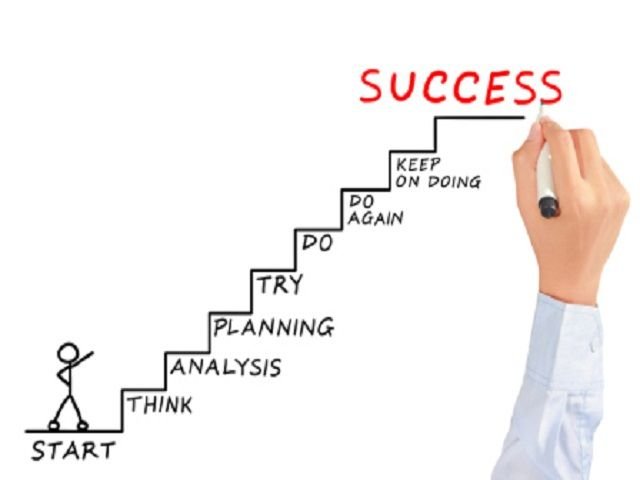
In order to be successful, you must expect success!
Your mental attitude is crucial to how well you do and will be reflected in your choice of words. Ifyou expect to make the sale, your confidence will be communicated and the style of questioning youuse can directly influence that.
Instead of asking if they would like to purchase an item, assume they do and ask a leading question:
“Would you like it delivered to your home address?'
“When would you like it delivered?'
“Do you want me to include batteries with your order?'
“Would you like me to gift-wrap it for you?'
“When would you like your 30 day trial to begin?'
4.6 Trust, Concerns and Objections
Many issues raised by potential customers come down to a lack oftrust - possibly in the product or service, or, more likely, in the person who is selling it!This is yet another reason why building rapport and with it, trust, is so vital to securing sales. If youfollow the techniques in this course to build rapport, paying specific attention to the NLP pacing andmatching techniques, you will find that you encounter far fewer objections or concerns than average.
The more relaxed the customer is, the more likely you are to make a sale - we purchase things from people we like and trust. The majority of objections centre around fear, which is typically a projection of the future (fear = False Evidence Appearing Real).Since the fear is of something that has not yet happened, you can use your knowledge, rapport and problem solving skills to fully understand their objections and prove why they are unfounded.
4.7 Preparing for Objections
Preparing yourself for the typical objections you can face, means you will have the information and answers to hand to overcome these objections with confidence - and your confidence will make your prospect confident too, especially once you have built a rapport.
Imagine the scenario below and responses from two different salespeople - how would the words of each salesperson influence your decision to buy?
Prospect: “Hmm well yea sounds good mate but I'm not sure, it costs a lot, what if I lose it do I haveto keep paying the contract? I lost my last phone, that's why I need a new one'.
Salesperson 1: “Yes, you would have to keep paying the contract, even if you lose it.'
Salesperson 2: “We can offer you the most amazing insurance for a fraction of the cost of the phone, which will replace it under ANY circumstances, even if you lose it, break it, or drop it down the loo! Sounds like that would be really useful to you!'
Sometimes, the customer will consciously know what their objections are and they can tell you - this is typically tangible things like cost. However, often they are not sure, but it's a “gut feeling' which is making them feel uneasy about the sale - this is usually an unconscious concern, for example maybe they feel guilty that they are indulging themselves when they should be saving money. If you have been actively listening to your prospect, you may well have already identified some of their objections. Alternatively, you can ask them more directly.
Many of the objections will revolve around trust:
Trust is built from rapport. If you think that your prospects are lacking trust in you personally,then you need to work on rapport building and general likeability.Trust in a product is demonstrated with testimonials and customer feedback (e.g. rankingsites, Amazon star rating, etc) and/or a test drive of the product, ifapplicable.Many businesses reduce perceived risk, with a money back guarantee.
Asking honestly and directly about concerns or objections will help you to identify them and overcome them:
“What is stopping you from buying today?'
“What can I do to get this product in your hands?'
“What can I do, so you can purchase this today?'
“Do you have any concerns?'
Other common objections include:
They think they are being ripped off and lack trust in you or the product.
Can't afford the product.
Being too indulgent in themselves.
Product or service may not meet needs.
Prefer competitor product.
Not sure if they need it.
4.8 Reducing Risk

Offering a “no risk, money back guarantee' is a very effective method to move a sale forward and overcome objections. The biggest fears people have centre around losing out (wasting money, being ripped off, getting a second rate product, missing out on a better opportunity). Offering the option to return the product if they are not happy will remove many of these fears - it will also allow people to touch and feel the product. Unless a product is faulty or very unsuitable, most customers will not return items - even when there is a no risk returns policy, because They do not want to let it go once they have received it.
They feel a sense of ownership.
They genuinely like some aspects of it.
They do not want to admit they were wrong.
They are too lazy to take/send it back.
They don't have the confidence to complain.
Due to distant selling legislation, internet sales require a period of at least 30 days during which time the customer can return the item.
4.9 Objections or “Brush Offs'
If your prospect is working from a gut feeling, they may not beaware of the real reasons why they do not want something.
Asking direct questions will help you spot the difference:
“Is that the only reason you do not wish to make the sale now?'
A genuine sounding “Yes' identifies a real objection, which is preventing the sale. A less than genuine “Yes' or a “No' is also possible. Work with the prospect to understand and over come objections and genuine concerns - don't take it personally if they are less than honest with you!
.svg)