1.1 What is human resources?

Human resources is a term used to describe the department that organises employees within a company. These people are responsible for recruitment, applicant selection, orientation and induction, ongoing training, skills development, assessment, motivation, retention of employees, and more. This department maintains relationships with unions and ensures employee safety. They ensure the company is complying with employment laws and regulations and assist the company in achieving the highest level of productivity and success moving forward.
Human = the workforce within the company
Resource = the limited availability or scarcity of competent applicants or team members
1.2 What is the purpose of human resources?

A human resource department that runs efficiently within any company will provide essential structure and assist the company with managing employees on a daily basis. Small companies without an HR department can achieve the same efficiency if they choose one person to manage the function with effective training or they choose to completely outsource this function.
There are numerous areas that the human resources department is responsible for and they may perform one or more of these functions:
Recruitment
One of the main purposes of an HR department or person is that they are employment and recruitment specialists. In-house teams are essential in the development of the workforce within the company. They are responsible for job adverts, sourcing applicants, screening any applicants, conducting interviews, coordinating the recruitment with management, and they play a vital role in the final selection of an applicant, ensuring that they are the right person for the position and tick the boxes needed to complete the job to the highest standard and improve productivity within the workplace.
Safety
Safety within the workplace is important in any industry and in any size of business. It is the responsibility of the HR team to ensure that safety rules and regulations are in place to reduce the risk of an accident. HR will provide training and ensure safety is maintained at all times. They will be responsible for keeping injury and accident logs and records. They will conduct risk assessments and ensure that the company's compensation issues are handled effectively.
Employee relations
Labour and employee functions within a company may be a combined effort which is handled by one person within the HR department or they may be separate functions which are handled by two HR members, each one offering their own expertise in the area. Employee relations focus on the strength of the employer and employee relationship, and this is measured through employee engagement, job satisfaction, and conflict resolution. The labour functions, on the other hand, include the development of management responses to various unions, for example.
Compensation and benefits
The compensation of employees can be handled by one or more HR members. These duties involve competitive pay structures, offering group coverage, payroll, and more. It is an important function to ensure all employees are given a good salary based on their abilities, which is paid on time to their chosen account, and that any staff benefits are deducted accurately.
1.3 Compliance

It is imperative that the HR department complies with all employment laws. Failing to comply can result in unsafe work conditions, unhappy employees, high staff turnover, unfair practices, and more. As a result, this can lead to productivity being reduced, profitability taking a knock, and low morale in all departments.
Training and development
It is essential that all employees are given the tools they need to complete their jobs successfully. New employees need effective orientation training to help them transition into the company with ease. Over time, employees will need training to ensure that they continue to perform productively and that they are able to complete their jobs to the company's satisfaction. This may involve sending them on a training course, helping them improve their abilities, and offering a host of performance training solutions to help them achieve success.
Capital value
An in-house HR department can increase the company's understanding of the importance of human capital within the company and how it affects the bottom line. Human capital is imperative for smaller companies where employees often complete more than one duty or function. If a person leaves, there is a large gap that needs filling quickly and effectively. Failure to fill that gap without delay can result in a loss of profits.
Budget control
The HR department is responsible for keeping within a set budget and keeping overheads down. This includes coming up with ways to reduce management costs, identifying better health cover, and ensuring all employees are receiving competitive but realistic salaries. You will need to study the market and trends to perform a salary analysis based on the various job functions.
Conflict resolution
There is bound to be conflict within the company from time to time. When you have a diverse range of people working together, all with different backgrounds, experience, and working styles, you are guaranteed to get a few clashes here and there. The HR personnel are trained to deal with these types of issues, resolving conflict in an effective and efficient manner to ensure a positive working relationship is restored within the shortest period of time.
Employee satisfaction
It is the responsibility of human resources to ensure employees are satisfied with their jobs and working environments on a daily basis to guarantee the best productivity levels. Surveys, groups, and interviews are all used by HR teams to identify why employees are not happy and how to improve these situations and keep employees motivated in the long run.
Saving money
The HR team is responsible for helping the company save money when it comes to recruitment, replacement, and training of employees. They have a set recruitment process to reduce expenses when it comes to advertising and training new employees, as well as registering them with various benefit plans the company may provide.
Performance management
Human resources is responsible for the development of performance management solutions within the company. They put a plan together which will monitor the performance of employees in various positions within the company, identifying skills that don't match duties to ensure that the right person is put in the right position, saving the company time, energy, and money in the long run.
Sustain the business
Planning helps the HR department identify which employees have the ability to take on leadership roles in the future. This can ensure the company's success and stability moving forward.
1.4 Image

What you may not realise is how important human resources is when it comes to corporate image and helping a company be seen as the top choice for
prospective employees. A company wants to be that one company everyone wants to work for. This ensures that they get the best applicants and continue to strive for success in the future.
The 10 important purposes of human resources:
1. Dealing with the recruitment and the selection of employees to fill available positions when someone leaves the company.
2. Monitoring the training requirements within the company. The HR department is responsible for preparing any training plans, registering people for training, conducting training sessions, assessing employee skills to identify if training is needed, and considering developmental training needs moving forward.
3. Preparing payroll. This includes the calculation of salaries, ensuring deductions are accurately taken off and that payment is made in a timely fashion.
4. HR is responsible for the preparation of salary increase proposals and they work to tight salary budgets.
5. They conduct performance reviews, reporting back to managers and owners. This also assists the HR department with who needs training and what type of training is needed.
6. They are responsible for the preparation of satisfaction surveys to help the company identify areas within the structure that need work.
7. HR departments and personnel are responsible for preparing a host of reports throughout the month including those that identify sick rates, employee satisfaction, training, and more.
8. This department is responsible for the creation of working procedures which all employees will rely on and follow to ensure good workflow within the company.
9. They will prepare all employment contracts and documents, follow up on references, write job descriptions and conduct any essential checks as may be required, such as credit or criminal checks.
10. The HR department will also be responsible for the monitoring of medical checks which some companies conduct to ensure employee health.
FACT
Nearly 6 in 10 companies are planning to increase HR spending in the next 12–18 months
Source:2.deloitte.com
1.5 HR outsourcing vs in-house management

Some companies these days are taking advantage of HR outsourcing rather than having an internal HR management solution. Providing employees with the ability to concentrate on the growth of the company when hiring will rely heavily on the chosen human resources department or person. The selection process, the hiring, and the training are all handled by the HR department, which is why it is more affordable for some smaller companies to outsource this function.
Finances will be a determining factor in whether to outsource HR or handle it in-house. HR management should always remain a top priority for your business, as ignoring it can only result in serious legal and financial issues in the future.
The benefits of in-house HR management
In-house HR management has its own benefits which many companies still prefer. The main benefit is that when this function is carried out internally, employees tend to be more motivated to be successful and increase productivity; whereas you may find that when you outsource the function, while the team is highly experienced, they won't have the same dedication and motivation.
The benefits of outsourcing HR
Some companies choose the outsourcing option because it can free up employees' time and allow them to concentrate on all their other duties. Outsourcing means you have access to professional experts who have years of experience in the HR industry. These companies have access to benefits offered to larger companies and, therefore, can help you provide your employees with benefits that you may not have been able to offer them before.
1.6 Advantages and disadvantages of an HR department

Small businesses may find that choosing to implement a dedicated HR department can either be highly beneficial or it can lead to numerous disadvantages that you may not have thought about in the past. It doesn't matter whether you choose an in-house human resources team or you choose to outsource this function. A good rule of thumb is that once your team size gets to 50 or more, you will need more than one person in the human resources department to handle this function effectively.
Advantages
The first benefit you will find when you use human resources for your company is that you are able to include new employees with ease. You will relieve the burden by adding the HR department who will then manage the complete function for you, from the recruitment to the training, to the policies and procedures implementation, payroll, and more. You will have complete peace of mind that compliance is maintained on a daily basis and all rules and regulations are adhered to at all times. You will reduce the risk of being fined or penalised or even finding yourself being taken to court for not meeting the regulations expected from employers on a daily basis.
Disadvantages
The biggest disadvantage of having a human resources department is that you have to hand control over to someone else when it comes to the operation of your business. You will have to give over the reins to your HR person who will then be responsible for making important decisions from who to hire to salary requirements and more. In order to implement an HR department effectively, you must expect to give up some time and money in the long run to ensure you choose the right people for the job and provide them with the time they need to get up to speed.
1.7 Human resource management
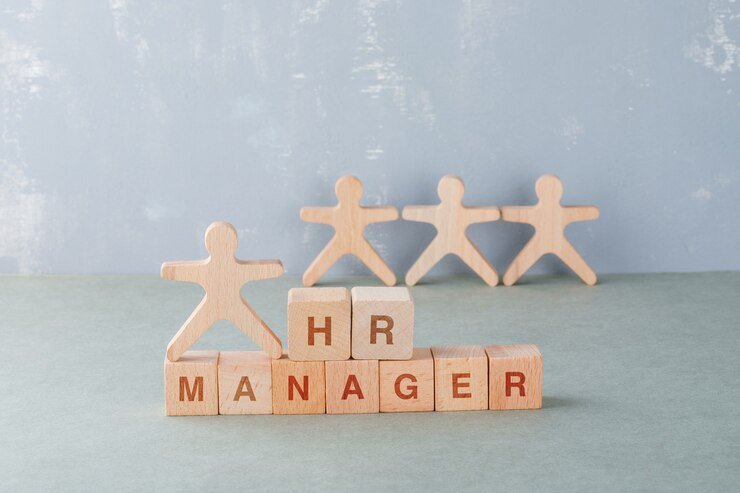
In order for a company to run successfully, it will need a good human resources department that is working behind the scenes to ensure the company has the right team and that the team is motivated and productive. An HR department can't fulfil the company's objectives, but they can collect and coordinate in order to achieve goals.
The complete service of an HR department involves the following:
-They will conduct a job analysis to identify what they are looking for in a prospective employee.
-They will identify the company's personnel needs and then carry out recruitment as needed.
-They will ensure that they choose the right person for the job based on their abilities and past working experiences.
-The HR department will provide employee orientation and training with staff.
-They will identify what salaries and wages to offer and when to provide increases.
-The department will ensure the right incentives and benefits are allocated.
-They will handle performance management to identify how staff members are working and areas that need to be focused on.
-They will be responsible for resolving any disputes between employees or departments moving forward.
-The HR department communicates with all employees at all levels.
-They are responsible for ensuring the company complies with all labour laws.
Human resource management objectives
Human resource management has three main objectives to ensure are fulfilled at all times: Societal objectives, which ensure that the company remains socially responsible to the challenges within society while reducing the impact upon the company. Organisational objectives, bearing in mind that the role of human resources is to help the company meet their objectives on a daily basis, ensuring that they have the right staff to improve productivity, profits, and success moving forward.
Personal objectives, such as helping employees achieve their own goals and ensuring that these are focused on a contribution towards the company. It is imperative that employees are recruited, retained, and motivated on a daily basis to ensure job satisfaction and work performance continues to rise.
Human resource management involves numerous functions, including:
-Procuring employees, developing and maintaining staff
-Achieving the objectives associated with HR
-Focusing on team spirit and boosting morale
-Improving communication, management, and economics.
HR management is essential within the work force and is something that should be focused on by all managers within the business.
There are some things you want to avoid at all costs, which can easily happen when you don't have the right HR team in place:
-Choosing the wrong applicant based on the job description
-Having a high turnover of staff
-Having team members who are not working hard to improve their productivity
-Wasting your own time interviewing applicants who don't tick all the boxes
-Finding yourself in court due to discriminatory actions
-Having your company seen as unsafe
-Having employees feeling that their salaries are not acceptable
-Not offering adequate training to ensure an effective team
1.8 Components of human resource management

Human resource management focuses on a process involving four functions. These functions are:
-Acquisition
-Development
-Motivation
-Maintenance
These elements are steps to help your company achieve its long term goals. The four aspects in detail are as follows:
Acquisition
This relates to the selection and recruitment process of the HR department, with the most important part being hiring the right employee based on the company's unique goals. This ensures that the right person is hired for the right position and that they are able to complete their duties to the highest standard.
This is where HR starts and is focused on the planning, selecting, recruiting and socialising of employees within the workplace.
Development
Development starts once the socialisation stage is completed for a newly appointed employee. This is when the employee receives knowledge and skills to help them complete their tasks properly and to provide them with the tools they need to work towards common goals. Development is achieved through coaching, teaching, assignments, classroom-based courses, monitoring, and more. The aim is to ensure the employee gets the training they need to enhance their abilities.
Motivation
Training and development can be exciting for an employee, but it is not quite enough to keep them motivated and performing at their best. Motivation means inspiring and getting the employee to work well at all times. This many include performance evaluations, compensation management, reward programmes, and more.
Maintenance
Maintenance is retention and is the very last step of the human resource management plan. This is where the company focuses on keeping an employee that they have recruited, trained, and shaped. After all the money and time spent on training and development, the last thing the company wants is to lose a valued member of their team. This requires focusing on organisational objectives to ensure the employee is happy in their position and has the potential to grow within the business. Human resource management is all about the recruitment, hiring, and managing of employees, but it is so much more than this: the HRM system should be structured based on the company's goals, objectives, and current needs.
Company culture
This is a unique collection of company visions, values, and beliefs that is used in the HR management system to shape and mould the company culture. This involves the creating and setting of procedures, policies, and company standards, and identifying what behaviours are and are not acceptable in the workplace at any time. For example, some companies may provide employees with the ability to manage their own schedules, while others work on strict hours each and every day. These things make up the company culture and what works best based on how the company wants to succeed and grow.
1.9 Planning

The human resources management role is to plan for the future. The business world is constantly changing, as is technology, and you will find that over a matter of one year, new employees will come and valued team members will leave. The company will change in terms of structure and finances. So much can happen that the HR team needs to be prepared for all eventualities.mThe HR management structure needs to get people planning for those "what if" situations. Gather information and put plans in place to ensure that in the event that anything negative happens, the company, the teams, and the employees are prepared. This can be something such as putting a disaster plan in place in the event of a flood or fire.
Training and development
All employees will require some form of training at some point, whether it's learning how the company runs or learning new skills to complete their duties to the highest standard. Company standards can be implemented, taught, and understood on sight, but there are some educational requirements that will need classroom training.
Health and safety
The HR management system must focus on the health and safety of employees in the workplace. This involves creating and implementing procedures, policies, and standards. Employees need to understand these policies along with any risks involved in completing certain tasks. Warning signs, posters, and more should be implemented to ensure employees are always aware of dangers.
Recruitment and retention
It is without a doubt one of the most important roles of the HR management system to recruit and retain the best quality team players. Not everyone is suitable for all roles and it is the HR department`s responsibility to find and hire the best employees that will complete each job to the highest standard.
Module summary
This first module of the human resources course has provided you with insight into the responsibilities and advantages of human resources. You should now understand what human resources is and why it is so important to the success of a company. In addition, you now know the duties expected from you as part of an HR team and can identify whether your company would benefit from an in-house team or whether they should consider outsourcing this function moving forward.
.svg)