1.1: About Passenger Aviation

The aviation sector is the single transportation network responsible for transporting billions of passengers around the world every year, connecting and developing nations worldwide with the revenue generated.
In passenger airlines, revenue is measured in RPK, which stands for “Revenue Passenger Kilometres.”
The UK is the third biggest generator of RPK, with the USA topping the charts, and China coming in at second place. The Three Countries combined contribute to a total of five trillion RPK per year.With that in mind, there is certainly no doubt about that the majority of your career is going to be spent (as you'd expect) - flying.
In terms of revenue generation, there are different types of airlines and the type you're employed with will have an impact on the duties you're expected to perform. An example of that is the increase of budget airlines, such as Ryan Air, which may sell tickets at a loss, and make up the revenue through duty free sales on-board the flight. After all, there are no stops at a service station, which means if a passenger wants to buy something, the cabin crew members are the only people aboard for sales to be made.
While you work for low cost airlines, you can expect to be working to sales targets, but make no mistake about it… you're first and foremost duty is maintain the safety of your passengers. That's what you're trained to do by each airline during your induction period, but sales experience, and customer service skills are the closest work-related activity you can use to obtain experience for this industry. Such experience will set you in good stead to get started in a new career as a cabin crew member.
1.2: History of Air Cabin Crew Staff
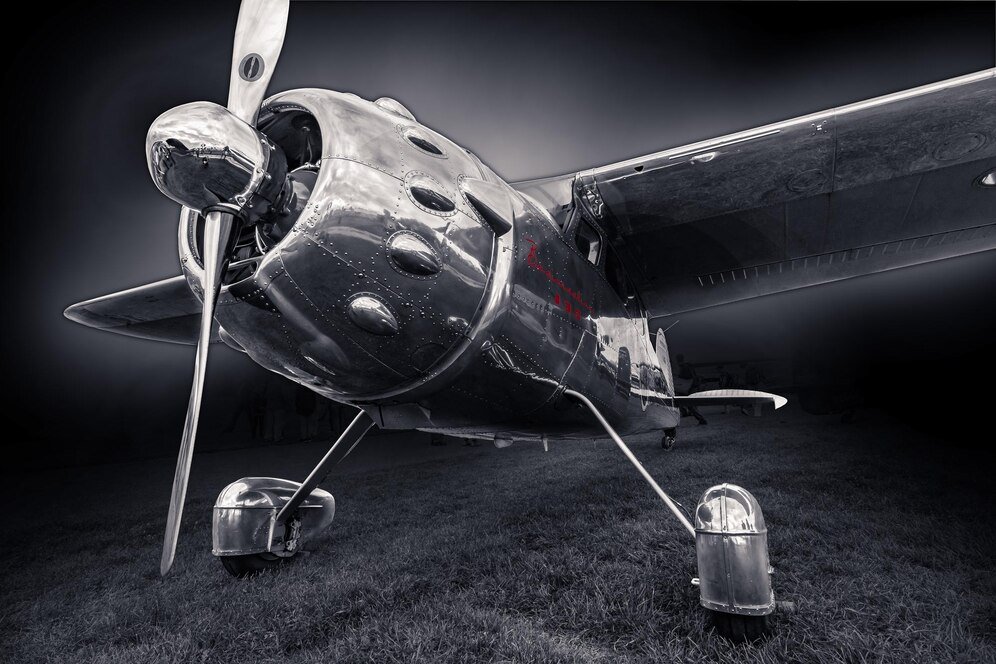
Since the early 20th-century, aviation has come a long way, especially for passenger airlines. Did you know that the very first passengers to fly were in fact travelling on a mail carrier?
In those days, customer service was the last thing you expected, let alone to have anyone there to take care of the safety aspects of air travel. The only other people on the aircraft were the pilots flying it.
In the early history of aviation, the first to be “officially” trained to fly were mainly males serving in the military. It wasn't until the 1920s that the U.S rolled out the regulation for both aircraft manufacturing and pilot training. With time, aviation began to expand from cargo transportation to include passenger transportation with “airmail” being the first aircraft flying mail around, and only space on-board to carry a few passengers.
It was in the late '20s' the introduction of what we refer to now as air cabin crew--or flight attendants as the job title is more commonly referred to--surfaced.At the core of the job back then, there was nothing safety related involved. As with the pilots back in the day, mainly being of military background to have the training to fly the aircrafts, the flight attendants were not there to provide safety and first aid to passengers. They weren't even called “attendants”; - they were called “cabin boys”, and were mostly in their teens. They were manual labourers, and their primary duty was to take care of the luggage loading and unloading, while offering occasional reassurances to nervous passengers.
As the size of flights grew, the core demands of customer service began to grow too. This put more stress on the co-pilots' jobs, as they were then expected to assist with flying the aircraft. This task took place alongside dealing with airsick passengers, as well as passing out lunch-boxes for the flight meals, with hot drinks served from a Thermo flask. All of this was a far cry from the in-flight
meals you get aboard flights now. 1930 was the year that brought great changes to the commercial aviation industry, with the job roles of cabin crew staff also altering.
1.3: The Inception of the Flight Stewardess

It all began with a chat.The purpose of employing flight stewardesses was never the intended plan when they were first introduced to the airline industry. The initial trial involved only eight people, and it lasted for just three months.
At the head of the trial was Ellen Church, who was a Registered Nurse (RN) working in a San Francisco Hospital, and an aviation enthusiast who held a private pilots' license. By chance, she knew Steve Simpson of Boeing Air Transport, which is now known as U.S. Airlines. Occasionally, the two would have chats as their paths crossed while on the way to work.
Ellen Church...Pioneer
In many respects, Ellen Church is now seen as a pioneer for revolutionising airlines and it is thanks to Miss Church that the profession of air cabin crew exists today. One of the conversations she had with Steve Stimpson took a turn when Ellen passed comment that a qualified
woman would be able to do a “better job than a man” in terms of taking care of the passengers during a flight.
In agreement to that, Steve sent his telegram to the head office, which was originally rejected, (remember the industry was male dominated in the early days) but later agreed on a trial basis. The first air stewardesses were employed to take care of passengers suffering from airsickness.
Early flights were only able to fly low, making them rough, and the speeds averaged 110 MPH maximum; which was just sufficient to keep the flight in the air. With rough flying, air sickness amongst the passengers was practically inevitable. This created the perfect opportunity for air stewardesses to find a permanent place in the industry.
In terms of recruitment, the airlines did the head hunting in hospitals, and sought out RNs, many of whom jumped at the chance of having career in the skies, Originally, as the aim was to cater to the health of passengers, it was a requirement to be an RN . They had all the skills and qualifications needed to serve to the best of their abilities, and would assist passengers both in the air and on the ground.The original route the service was piloted on flew passengers from San Francisco to Chicago. It took 20 hours in total, with approximately 13 stops along the way.
Training manuals in those days covered serving meals as part of customer service, but also recommended that air stewardesses would assist passengers in going to the toilet. This was necessary due to the toilets being located at the back of the flight with two separate doors for entering and exiting, both of which looked exactly the same. Ensuring they did not open the wrong door saved embarrassment for other passengers. For air stewardesses, this was as far as passenger safety went.
1.4: Job Requirements for the Original Cabin Crew Members
If you think it's a tough career now, consider your predecessors. Qualified as RNs, they found themselves aboard aircrafts, tightening seat bolts to the floors, providing slippers to passengers, maintaining the clock during the flight, keeping up to speed on train times for passengers requiring connections between destinations, checking altitude meters, and offering customer service perks like shoe polishing services to all on board.
On the ground, there was little respite. It wouldn't be uncommon to see the cabin crew lug buckets of fuel to the aircraft and help in pushing it into the hangers after the day was done. Things have changed dramatically, making the life of modern cabin crew members far more
comfortable..
Cabin crews now carry out the primary roles of safety provision and advice, alongside top-notch customer service.
1.5: Cabin Crew Role Requirements Now

Nowadays, things are completely different, and are always open to regulation changes. Accidents happen, and so do incidents. The cabin crew staff are the only emergency responders on the scene, and you will need to know how to do everything the industry expects of you.
Every airline will have its own induction training, which is likely to differ from that of its competitors. Customer service also differs from airline to airline, but safety standards are regulated, as that is a mandatory training requirement.
While you don't need to be a RN to become a cabin crew member, you do need to know the basics of first aid.There will be equipment aboard the flights that you will be trained to use, such as a first aid kit, oxygen bottle, and other medical implements. While the profession started out with cabin boys assisting passengers with luggage, and other customer service duties without a thought for safety, today is the complete opposite.
As a member of the cabin crew, your primary role is not customer service, instead it's passenger safety. Safety always comes first, with customer service coming second.
Every passenger is a Potential Patient.
You never know what's going to happen during a flight. Panic attacks are quite normal, but you have to be prepared, and able to cope with the most extreme in-flight incidents as fast and efficiently as possible.That is why organisations like the International Air Transport Association (IATA) and Civil Aviation Authority (CAA) exist; so they can ensure the highest level of passenger care in every corner of the
world.
The training you receive will ensure you're up to speed to administer first aid during a flight, and a second element that's just as important to in-flight safety: security. Airlines may operate their own in-house security checks, which will take place prior to a flight departing, but aviation regulatory bodies are stringent when it comes to ensuring every airline meets a minimum standard when it comes to pre-flight security checks.
During a flight, you never know which piece of safety equipment you may need to use when dealing with an incident. One of your duties is to ensure that, no matter which piece of equipment you might need, it is working before you need it. This is part of the pre-flight safety checks every cabin crew member must do, and it is necessary to maintain accurate logs of each check.
1.6: The Typical Day of a Cabin Crew Team

The start of your working day will see you attend a pre-flight briefing. It's during these briefings that you will meet the rest of the cabin crew you'll be flying with, and therefore working beside, during your flight. Teams change frequently, so you must be good at developing working relationships rapidly becauseeach flight you fly out on, could (and often does) see cabin crew members working within a new
team of colleagues for the first time.
The pre-flight briefing will usually be led by the senior cabin crew member. Some airlines may refer to this job role as the chief purser.While they're responsible for leading the briefing, the cabin crew purser may assign certain tasks to any member of the crew. On larger flights, there may be a number of senior members responsible for managing individual cabins. This is especially likely when you are flying with companies that offer different classes, such as British Airways and Virgin Atlantic.
The briefing is typically done around 90 minutes before the flight's scheduled departure time, but it won't last that long. The briefing is primarily to inform you of the order of duty, and it's also when you'll be notified of the passengers' special requirements, dietary needs, mobility difficulties, and any other important information.
1.6a: The Pre-flight Safety Checks

Following the briefing, it's the cabin crew who are first to board the aircraft, and you will have a station assigned to you. It is for that station that you'll be required to fill out the safety form checklist, which will see you checking all the safety apparatus is in good working order, and in the right location.
The last thing you want is for an incident to occur because of the safety equipment failing to operate. That is why it is all checked prior to the passengers boarding. As you check each piece of equipment is working, you'll fill the form in, taking note of any irregularities. The form will be passed to the senior cabin crew member overseeing the flight, or to whoever is managing the station you're assigned to in on a larger aircraft.
It's the senior cabin crew member who reports to the pilot. All information you document on the report will be logged by the pilot in their flight logbooks, so it's vital that all your checks are noted accurately. That's part of the reason airlines prefer candidates with good grades in English, as it can indicate you'll be proficient in your reports.
1.6b: Pre-flight Security Checks
You'd be way off the mark to think border control take care of all security checks, leaving you with only the safety side of things to worry out. Security on airlines is one of the most stringent aspects of this line of work, and it's imperative that every team member from ground control, to the in-flight staff, including the pilot and other flight crew, play their part in detecting potential security concerns. Doing this means you must maintain consistent and open communication with everyone you work alongside.
Part of the cabin crew's duties with the flight checks. In addition to the safety checklist you will fill out, there's also a security checklist you must attend to as well. During your station assessment, you'll be required to inspect all the areas in the cabin you're assigned to, ensuring there's nothing suspicious stored away anywhere. That will see you checking overhead compartments, lavatory cupboards, under seats, and checking all bins are empty. You must also make sure nothing has been left behind by passengers from the previous flight.
Naturally, prior to passengers boarding the aircraft, cleanliness is expected and that's part of yourduties too. You must clean up any debris, ensuring the cabin, and seating areas are tidy, ready forthe next load of passengers. Although, it is worth noting that certain airports provide cleaning staff from their on-ground team so that cabin crew members can focus on other duties.
1.6c: Boarding Passengers
After the checks are done, it's time to meet the passengers you'll be catering to during the flight - but this isn't all about chatting and getting to know who's who and on first name terms. While from the passenger's perspective you are offering them customer service as you usher them to their seats - for you, it's different. In the back of your mind, you'll be making judgement calls on each
passenger boarding.
There may be some passengers who have consumed alcohol, some of whom have drunk a bit too much. If you have any concerns about a passenger and their conduct, you must report them to the senior cabin crew member. The senior cabin crew member will report any concerns to the pilot, who makes the final decision on whether someone flies or is left behind. That's one of the most common things you'll experience in peak holiday times, however, there's another aspect you need to monitor closely for security purposes.
1.6d: Behaviour Analysis
You don't need a degree in psychology for this, but you do need be discrete and have good judgement calls. Many a passenger can be distraught about flying, with their nerves on the edge, and part of your job is to provide reassurance to those passengers. However, for added security measures, airlines are training their staff to be more vigilant on the behaviour of passengers when boarding. This is done by engaging in conversation, which to the passenger is just part of your customer service when you're asking questions designed to mimic you getting to know the passenger, but at the core of these questions are tricks for determining why someone is flying.. The questions are security related, using psychological techniques to establish whether a person is flying for legitimate reasons, or if there's an underlying reason for their increased level of anxiety.
Anyone who you feel suspicious about, you are required to report to the senior cabin crew member,
who then notifies the pilot of any issues prior to the flight departing.
1.6e: In-Flight Duties
It's next to impossible to list every duty you'll be responsible for carrying out on each flight, as for the most part you are going to be required to adapt to the situation, in the event of emergencies. You never know what you'll encounter, and for some that's part of the thrill of a cabin crew career, while for others, it's that same unpredictable nature of this line of work that can cause them to change their career goals entirely.
Cabin Crew jobs are not suited for everyone.
For most emergencies during a flight, you'll have the first aid training required to deal with the situation professionally. The training will be undertaken during your induction with the airline employing you, however, to ensure your skills are up to date, refresher courses on first aid, through organisations such as St Johns, or the British Red Cross will be beneficial for you, the passengers under your care, and for gaining employment with an airline in the first place.
First aid is paramount for in-flight emergencies, and never forget, that this is why the cabin crew exist. The secondary element of your in-flight duties is what you'll be doing the most though.
That pertains to customer services.
For short-haul flights, the main duties will be providing refreshments to passengers, and taking care of product sales. During long-haul flights, you will have more to do as you'll need to cater to passenger comfort by providing pillows, neck rests, refreshments, and also ensuring that minimum noise comes from other passengers on night flights, so that those who want to sleep, can. Additional requirements will see the cabin crew responsible for dealing with all types of passengers, which will/can include babies, ill people, children, elderly, individuals with disabilities, those who do not speak the same language as you, people who come from a different cultural background, individuals who have specific religious requirements, persons with a fear of flying, and many other character traits that you'll have to deal with as part of the job.You will learn more about each aspect in the following modules.
1.7: The Contributions and Importance of Cabin Crew Staff

There are three core categories that cabin crew are trained and responsible for, before, during and after each flight.
These categories include:
1. Passenger health and safety
2. Responding to emergency situations, abnormal incidents, and dangerous situations in a calm manner
3. Contributing to security on-board an aircraft, and throughout the flight's duration
The above are of paramount importance, however alongside these duties, you'll also be largely involved in interacting with customers, while providing a trolley service of beverages and gifts. It's during this time that you'll also need to monitor passenger behaviour, as there is such a thing as air rage.
Air Rage
Just as the road network is home to road rage, aeroplanes produce air rage. This is part of most airlines' induction training so you can be sure that when you're in the air, you have all the knowledge and tools to keep the flight safe from any potentially hazardous situations. There's no common denominator that triggers air rage, but the one thing that helps deal with it is talking to calm an aggressor down. Just as you'd speak calmly to a nervous passenger, you're trained to do the same with someone posing a risk to passenger safety through air rage.
One factor that can be behind incidents of air rage is over-consumption of alcohol and that's why cabin crew staff are taught to look out for overly drunk passengers during the boarding process. If things do get out of control in the air, you will be trained on restriction techniques to deploy when the situation requires it. Most airlines have restraining devices for aggressive passengers and emergency procedures to follow when the situation arises.
It's not always the cabin crew who notice potential hazards on the trolley round. In some instances, it may be another close-by passenger concerned about a disgruntled passenger who will press their call bell for assistance from a cabin crew member. Any-time that call bell goes and the light comes on in the galley, you never know what situation you will be presented with. It could be a request for a bottle of water, a passenger who is feeling air sick, or a potential air rage call.
The training you get before you start work within any cabin crew will ensure you're trained to deal with the situations that are most likely to present a danger to you and those around you as you work.
Emergency Landings / Ditching
That includes what to do in the event of a emergency landing and that of ditching. Ditching in aviation is a controlled emergency water landing. The reason we say controlled is that planes by nature are not designed to land on water. They're not boats and will not float, but thanks to technology and early indications of things going wrong, there are two types of emergency landings and ditching: a planned emergency landing or planned ditching, and an unplanned one, which is when things may go abruptly go wrong.
Ditching will always be a last resort, but it's in no means guaranteed to end in disaster. The chances of survival are extraordinarily high, and the reason for that is because of the high level of training the cabin crew receive. It's estimated that during a controlled water landing, in temperatures less than 15 degrees Celsius,life expectancy is around one-hour, which is plenty of time for rescue services to be deployed, on the scene, and getting passengers to safety.
It takes complete control for maximum survival rates to occur, though, which first entails maintaining calmness in the cabin in order to get passengers into the water slowly, allowing the body temperature to adapt to the critical temperature changes it will face. More on ditching is covered later, as it's imperative that cabin crew know what to do if ditching occurs.
In any event that isn't scheduled, anxiety can soon arise amongst passengers, and as mentioned earlier when discussing air rage, anxiety contributes to outbursts of anger. Therefore, any unscheduled stops need to be communicated calmly to passengers, ensuring knows the situation is under control, and that there is no reason to panic.
You'll be using the in-flight Passenger Announcement (PA) systems to communicate with those onboard. Communications to the flight crew are performed using the in-flight intercoms.The pilot does not make the announcement to passengers. They communicate with the senior cabincrew, and from there, you'll be notified of what announcements are to be made. Airlines use scripts that cabin crew are trained to use, which cover the usual announcements you'll be making.
Standard announcements include:
a.Boarding
b.Door closure
c.Safety demonstration
d.Take-off/ascent
e.Turbulence
f.Descent/final landing
Turbulence is one the most unexpected announcements that passengers can face, but it is a fairly common one you will make. In this situation, the typical announcement you will make will let passengers know that turbulence is fairly common, and that there is no need to be alarmed. “Ladies and Gentlemen – The Captain has turned on the fasten seat belt sign as we are now approaching a turbulence zone. Please return to your seats and remain seated and keep seat belts fastened. Thank-you”
Every announcement you make will have to be done in a calm and soothing voice, using wording that's clear for all passengers to understand.The general principle of cabin crew staff is to maintain calmness in the air, by providing top levelcustomer service as well as using de-escalating techniques in potentially hazardous situations from aggressive passengers. It's the job of the cabin crew to intervene when necessary, provide customer service during a flight, but priority is always given to health and safety issues that arise, or those that could potentially arise.
Always remember – Safety First is the golden rule.That's why you're on the aircraft. First and foremost you must keep everybody safe, with the secondary element being to offer an enjoyable flight experience to all passengers.
1.7a: Pre-Flight Briefing
Before any flight departure, several briefings will take place as part of the operator's “Crew Resource Management”.
Three is the ideal number used by larger airlines, and this is also what the majority of operators will use.
a.The purser to cabin crew briefing
b.The flight crew to cabin crew briefing
c.The passenger safety briefing before take-off
With larger airlines more emphasis is placed on team involvement, as the colleagues are usually meeting for the first time. Not only will you be meeting your new colleagues for the first time, you may be working with them during a long shift, or in the case of very short flights, over the course of several jobs. Your working relationships have to develop fast, and that's one of the core objectives of
the purser to cabin crew pre-flight briefing:
To establish synergy!
Synergy is when all staff aboard the aircraft share the same goal (to operate a safe flight), with a clear structure for all staff members to abide by. Each cabin and flight crew member will also have specific tasks allocated to them. Every member will contribute to the overall team's operations, with the senior cabin crew member acting as a leader who continuously offers guidance..
It is the senior cabin crew members responsibility to ensure an even workload is distributed across all cabin crew members, and they must ensure no single person experiences work overload. In a team that operates well, everyone contributes in a fair and specific manner. Without team synergy, communication can break down fast, so developing a rapport with your colleagues is essential to contribute to the open communication that is necessary within the team.
It's also within the pre-flight briefing that you'll be allocated your station, the duties you'll be responsible for, and you'll be notified of any special requirements during the flight. This could mean disabled passengers boarding, or special dietary requirements of passengers on the flight.
The briefing will be conducted by the “Senior Cabin Crew Member”, often referred to as the “Purser” or the Chief Purser”. The titles and chain of command will be determined by the size of the flight you'll be working on. Within larger flights, such as an AirBus or Boeing Aircraft, the flight crew to cabin crew member briefing may be used instead. This gives a complete briefing in one room with all crew members (flight and cabin) establishing a working relationship with everyone who will be on the flight.
The flight crew will be the staff responsible for the flying of the aircraft, and the technical aspects, with the cabin crew being responsible for the safety of passengers.The most critical element to passenger safety in aviation is the communication between all crew members aboard the flight. That's why airlines have a chain of command.
The cabin crew are the front line staff dealing with passengers. Any concerns cabin crew members have are reported to the purser, (senior cabin crew member) who then directly reports to the flight crew in the cockpit. Communication systems are used to convey messages between the cabin crew and pilots, as aviation regulations now state who can and cannot enter the cockpit. Typically, it is only during long flights when the flight crew need their meals brought to them that access to the cockpit will be granted, and that will usually require two members of a cabin crew, one being senior, ensuring no unauthorised access can be gained by any passengers.
Other than that situation, the cockpit will be off limits to those wishing to communicate in person, so all messages will be delivered via the aircraft communication systems. These are all things you learn prior to flight departure and during the pre-flight briefing. The core objectives are to inform all cabin crew members of the order of duty during a flight.
The senior cabin crew member will have an outline for the briefing pre-prepared to ensure the meeting is appropriately formed for the flight. It's brief so that you receive pertinent information, and then you move onto the flight to get carry out checks. Finally, all cabin crew members will have the chance to ask questions and clear confusion before the flight starts.. The mnemonic used for this process is ABC, which represents:
a.Appropriate
b.Brief
c.Concise
The main objective of the pre-flight briefing is to establish open communication between the threecategories of people aboard the aircraft.
a.The flight crew to
b.The cabin crew to
c.The passengers
The above is part of crew resource management contributing to aviation safety, which gets a flight from A to B in the safest manner possible.
1.7b:Introductions
The start of all pre-flight briefings is where introductions are made. Most of the time, crew members will be meeting for the first time, and since open communication is essential, this is the most efficient way to carry out an interactive briefing. Each cabin crew member will introduce themselves to the rest of the team in a professional manner, prior to going back to the senior cabin member, who will be leading the briefing.
1.7c: Essential Flight Information
The next stage of the briefing is when the senior cabin crew member will share pertinent information about the flight details with all crew members. This will include specific information such as the flight number, the destination the flight is heading for, as well as any stops en-route, the time the flight is due to depart at, and any other flight information crew members need to know, such as expected weather conditions.
1.7d: Special Flight Circumstances
Any passengers flying with reduced mobility or any other specific requirements will be addressed during the pre-flight briefing. For longer flights, or in the event the flight crew has notified the senior cabin crew member of any issues that may result in an unscheduled stop, will be discussed with the cabin crew during the briefing.
This could mean maintenance issues, such as when the flight may need to stop en-route for refuelling, or any other technical issues, predicted weather changes, and other challenges that have the potential to affect the flight's path.
1.7e: Cabin Crew Assignment
Part of the planning for the pre-flight briefing the senior cabin crew member will do is allocate an even distribution of workload to each cabin crew member. When doing this, they will take into account the experience each person has, to ensure they have all the relevant skills required to execute the tasks they are expected to perform.
Part of the work distribution process will include feedback from each cabin crew member, as the senior member will ask key questions to ensure everyone knows what their responsibilities are, and what they need to do in the event of an emergency.
1.7f: Communication
No situation occurs on an aircraft without every crew member being aware of it. This is due to the communication established within the chain of command. Any unusual activities witnessed, or reported to any cabin crew member will be communicated to everyone else, ensuring the entire team and the flight crew know of any potential hazards likely to affect flight safety.
During the pre-flight briefing, the communications protocol will be discussed to encourage communication between every member of the cabin crew.
1.7g: Questions
Wrapping up a pre-flight briefing will be a Q & A session, where all crew members get a chance and are encouraged to ask any questions they have, so that all crew members aboard the flight knowing exactly what they're expected to do, their responsibilities and the standard operations procedures for the in-flight protocols.
These may differ between airlines, but you will be required to know what the SOPs are and sometimes these will be covered as part of the pre-flight briefing, with questions directed to each crew member to ensure everyone is fully briefed, and understands the order of duty, and the standard operating procedures of the airline.
The Senior Cabin Crew Member conducting the pre-flight briefing will also direct questions to their cabin crew members regarding different aspects of safety, such as emergency equipment locations, safety procedures in the event of a severe turbulence and other aspects that could happen during the course of a flight.
Airlines train their cabin crew staff to high standards and the senior members even more so. It is an underlying reason for the chain of command that's in place. The flight crew to the senior cabin crew member, who then ensures that all cabin crew members are competent in their duties, maximizing the duty of care airlines have to both crew members and passengers.
1.8: Person Specifications for Cabin Crew Staff
Due to the importance of cabin crew personnel in the event of an emergency, there is a specific criteria airlines look for in applicants, just to be considered for interview.
Fitness Levels
The most crucial element candidates have to meet is a high level of fitness. This is looked for in swimming capabilities, to ensure cabin crew can assist tremendously in a ditching scenario. For that, you'll be required to swim unaided for a minimum of 25 metres. Sometimes rising to 30 metres depending on the airline requirements. Being physically fit is also essential for all cabin crew as you are going to be constantly on your feet, and will have to maintain a high level of customer service, despite how tiring you get due to jet lag.
Appearance
Appearance wise, you'll be required to have your weight in proportion to height. So a healthy lifestyle will help you out achieve this. Smart appearance is also essential, and since you'll be working with food, you'll need to have good personal hygiene, and keep your appearance
well-groomed.
Punctuality
Punctuality is another important aspect that you must meet. Airlines run on tight schedules, so they need to be sure that all essential staff, can be relied on to be at their departure destination in plenty of time for the pre-flight briefing, ready to get to work to keep to the flight's scheduled departure time.
Working as Part of a Team
There's no room for independence in this line of work. Every aspect of the job is done as part of a larger team, so you must be enthusiastic about working within a team, but at the same time, be able to make decisions alone, and you must be confident enough to deal with any situation that may arise in a tactful and polite manner.
That requires people skills, both for working with colleagues and with passengers. A friendly manner is essential to make it in this career. As you'll be making passenger announcements using the in-flight PA system, you'll need to have a clear sounding voice for passengers to understand your safety briefings and any announcements you make on behalf of the flight crew during the course of the flight.
Communication Skills
Communication skills are extremely important. There are always going to be nervous passengers on flights, and for those circumstances airlines need to be presenting the best advice possible to make customers as comfortable as they can. To do that, you'll be required to communicate emphatically, in a calm and reassuring manner. The work is fast paced, so one attribute airline recruiters look for in candidates is the ability to work fast, productively, and efficiently. The most efficient candidates will have experience of working
within a team in a busy environment, while sharing the same objectives and working together to meet whatever objective that is. (Synergy!) This could mean you have previous work experience in a sales environment, perhaps making appointments for a sales team to follow up with, and having targets to meet.
The more people involved in a team, including different departments, the more relevant your work experience is to an airline. This also means your skills are more transferable. Obviously, it's best if you enjoy working within a team, or you won't like the cabin crew role, and you
will probably struggle with reaching your full potential.
Education
For the written reports of safety checks and security checks, airlines usually look for candidates with a minimum of 4 GCSEs grades 1 – 3, or the equivalent. This ensures you have the basic educational attributes to meet their requirements. The essentials will be English and mathematics, as sums and writing form an essential part of your role. English is used for communication, both written and oral, and mathematics for dealing with duty free sales, adding up change, and calculating your total at the end of the flight, as well as working with different currency conversions.
Age Requirements
For security purposes, the usual age requirement is 18 years of age, but there are some airlines that will only employ cabin crew members over 21 years of age.You also need to have good eyesight, which includes being able to see colours clearly, so if you suffer from colour blindness, you may not be suitable for working as a cabin crew member. It is important that you have a valid passport without restrictions to any countries, specifically the countries the airline you're applying to work with fly to.
1.9: The Lifestyle and Career Paths

When you first start within a cabin crew, it's usually on a trial basis, over a period of 3 – 6 months.
The Trials
The trials will start after your induction training which can last up to 8 weeks with certain airlines. Once you complete your induction, you can expect ongoing assessment on the job, including different tests from the airlines to ensure your knowledge is proficient in aviation regulations, immigration regulations, currency exchanges, health and safety and first aid. Once you initial trial period has passed and you've completed all the necessary tests, that's when you'll experience the real lifestyle of this career choice.
First Job
The first job is only the beginning. The more experience you gain, the more demanding the job becomes. Starting off on short-haul flights, progressing to international destinations flying through various time zones, and exploring the world. Some airlines may even allow you to start flying longhaul from the beginning. Not every flight will have long stays away in the country you fly to, but on occasion there are stop
over periods where you can get the chance to explore some of the country you travel to. These are referred to as layovers. Some layovers may also include flying within the country itself, which is known as 'shuttle work'.
Wherever you go, you'll still have to be punctual, which will mean changing your watch, or mobile to the time zone you arrive in. Having a phone that does this automatically is handy. Airlines will work on the local time for return flights, so you will need to familiarise yourself with the 24 different time zones to ensure you're back at the airport the flight will be departing from in plenty of time for the return flight pre-flight briefing. You can often do this with experience.
Looking after your health
Most cabin crew also bring their own meals with them, so they can keep themselves topped up on the nutrition needed to cope with the demands of air travel. In-flight meals will not cut it nutrition wise, and since you're crossing time zones, often frequently, you will find the job becomes tiring super fast.
For that, you need to consume plenty of slow releasing carbohydrates to keep your energy levels topped up. Airlines don't take this into account, but you can find that the senior cabin member in charge of the flight you're working on, or during your training will advise you on some recommended foods to have in your travel bag for when you're flying. This is not always the case, though, as it isn't part of their job description. Their role is to supervise, and advise on the safety and service duties expected on the job. Supplements are another aspect that most cabin crew members will use to keep their energy levels topped up, so they can cope with the demands of flying.
Sleep Deprivation
Sleep deprivation usually happens in the early stages of working life amongst new cabin crew recruits, as it's difficult for the bodies circadian rhythm to adapt to the new lifestyle and different shift patterns. It takes a bit of getting used to and on your days off, especially if you've been on international flights, the change in time zones can see your sleep pattern extremely interrupted.
For that, exercise will help, and can also contribute to your physical health, which in turn helps youmeet the physical demands required as part of this career. The more experience you gain, you will find you'll have more opportunities for promotion within the aviation sector. The cabin crew role is only the beginning. With experience, you'll find yourself being allocated more responsibility, such as becoming a senior cabin crew member in charge of one section of an aircraft, perhaps the galley or a cabin in larger flights.
At the peak of your flying career, your highest position will be the chief purser, or the senior cabin crew member who will be in communication directly with the flight crew, responsible for managing the full cabin crew team, delegating work to each crew member in a fair manner, and ensuring allstaff are proficient in the safety operations of the flight, as well as providing top levels of customer
service.
Module Summary
In this module you had the opportunity to learn a little about the aviation industry.From its rich history at the beginning of the 20th century through to the emergence of cabin crew members as they are today, you learned all you need to know about the evolution of your chosen
career, thus giving you the perfect platform to familiarise yourself with what is expected of you as a modern cabin crew member.
The module also covered topics including: the economics of today's aviation industry, and the types of companies you may fly with.
.svg)