18.1 Uniform

Once employed with an airline as a cabin crew member, a full uniform will be supplied. These must be worn in full when reporting for duty.
Airlines take preliminary measures in their uniform design to take into consideration cultural differences, practicality, safety (such as fire resistant materials), and they also account for the different climates at the destinations they fly to. The other role the uniform plays is the branding of the airline. Therefore, it is standard procedure for all cabin crew to take care of their personal appearance. You are always representing the airline you work for while wearing your uniform.
Cabin crew are the front line staff representing the airline they work for. There's no room for a bad hair day! The uniform must be worn at all times when on duty. Some airlines may also include headwear, including a hat that must be worn when cabin crew are providing trolley service, and also when visible within airports.
The full uniform has to be worn. The only badges that will accompany the uniform will be your name badge. Some airlines also provide badges that indicate your level of seniority within the company. The same rules apply to the carry on luggage of cabin crew. This can mean using plain colours only, sometimes with the airline logo, but they cannot be personalised with luggage stickers. In certain cases, it may only be the blazer, hat, or certain other items contributing to part of the uniform, and in such circumstances, it's the cabin crew member who assumes responsibility for providing other items such as trousers, shirts, blouses, shoes etc. which must be in line with the airline's uniform policy for cabin crew.
18.2: Personal Grooming
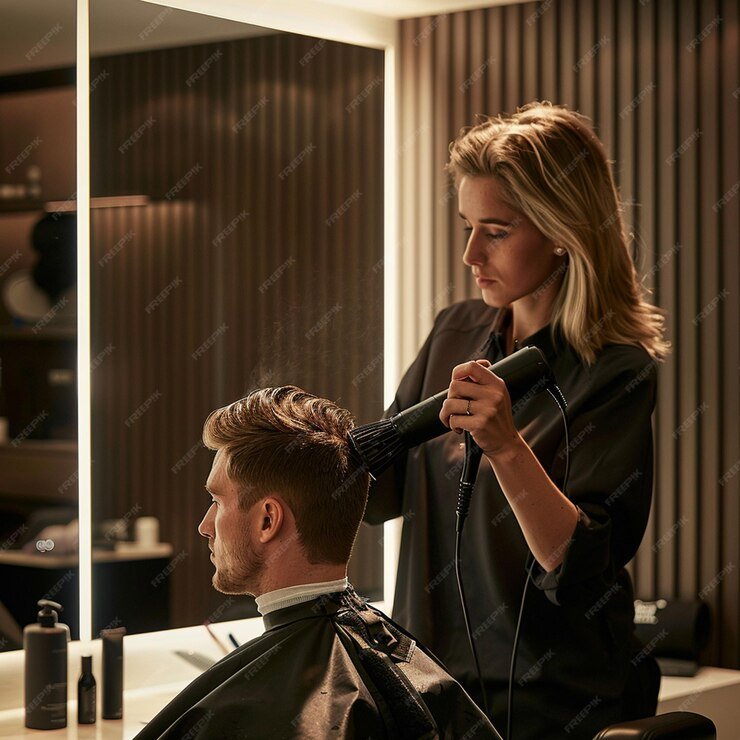
In terms of personal grooming, it's up to each individual cabin crew member to maintain the highest of standards. The best thing any cabin crew member can do is carry a wash bag as part of their carry on luggage, ensuring that even in the warmest of climates, they have all the essentials needed for a quick clean up.
Chipped nail varnish will not be acceptable, and is therefore best removed. Jewellery is usually not permitted due to the food handling aspect of the job, as well as the risk for choking hazards during emergencies in the case of necklaces. Individual policies apply with each airline regarding the use of make-up, as it's often mandatory to use only lipsticks, mascara, and eye shadows that will complement the airline's uniform, and contribute to a professional and well-groomed appearance.
The only other aspect of cabin crew presentation is the hairstyle. Most airlines will require cabin crew to have a short haircut, preferably to no longer than shoulder length. For long hair, when onduty, it's required that it be tied up in a bun, or in any way that keeps hair from straggling loosely. This prevents hair from presenting hygiene risks during food handling.
18.3: Uniforms Cont'd
For uniforms with white shirts/blouses, it's imperative that they remain white. No washed out white shirts or blouses will be acceptable. Therefore, having some spares will help ensure that if you get yours' dirty, you'll still have a spare shirt to enhance your uniform and meetyour airline's standards. Just be sure that any shirts or blouses you carry with you are made of the recommended safety materials, in accordance with airline uniform policy. The materials are a crucial aspect of safety, which is why the majority of airlines will supply cabin crew with their full uniforms, and insist that they're worn in their entirety while on duty.
Shoes that are permitted must also be in accordance with health and safety, while contributing to the professional appearance of cabin crew. For footwear, it's usually black shoes only, and for women wearing heels, it's usually requested that no heel shall exceed 2 inches, as cabin crew must be able to react quickly in the event of emergency procedures. Having high heel shoes on will hinder the speed of an emergency evacuation, which is why it's recommended to wear flat shoes and not heeled shoes.
All cabin crew members must look presentable. Not only does this ensure passengers feel at ease while flying, it makes sure the company you work for is presented well at all times. This is why you are provided with a uniform. This module covered the different types of uniform
available and how you can maintain yours. In addition, it covered how to make sure you are never caught short, even when you spill something down yourself. You will learn about what is expected of you in terms of other aspects of your appearance, such as hair, makeup, and wearing the uniform appropriately between jobs.
.svg)